How Continuing Education Supports Your Fitness Career: The Long-Term Value of CPD
Why initial qualification is only stage one. Discover how strategic Continuing Professional Development (CPD) drives client retention, higher session rates, and career longevity.
Key Educational Takeaways
- Continuing Professional Development (CPD) keeps coaching methods aligned with latest scientific discoveries and best practices.
- Specialising in areas like Strength & Conditioning, Biomechanics, or Pre/Post-Natal care allows coaches to serve underserved client demographics.
- Continuous learners stand out in a competitive market by providing superior problem-solving for clients with complex goals.
- Investing in targeted education directly supports higher earning potential and prevents professional burnout.
1. The Real Purpose of Continuing Education
In many industries, continuing education is treated as a tick-box compliance requirement. In the fitness sector, however, proactive Continuing Professional Development (CPD) is the defining factor that separates short-lived trainers from career coaches with decades of thriving practice.
Exercise physiology, nutritional science, and motor learning are continuously evolving. Coaching strategies that were commonplace fifteen years ago have been refined or debunked by contemporary research. Ongoing education ensures your client programming remains effective, safe, and modern.
2. Impact on Client Retention and Results
Acquiring a new personal training client requires time, marketing effort, and relationship building. Retaining an existing client for two, three, or five years requires delivering consistent progress, keeping sessions engaging, and successfully navigating plateaus or lifestyle changes.
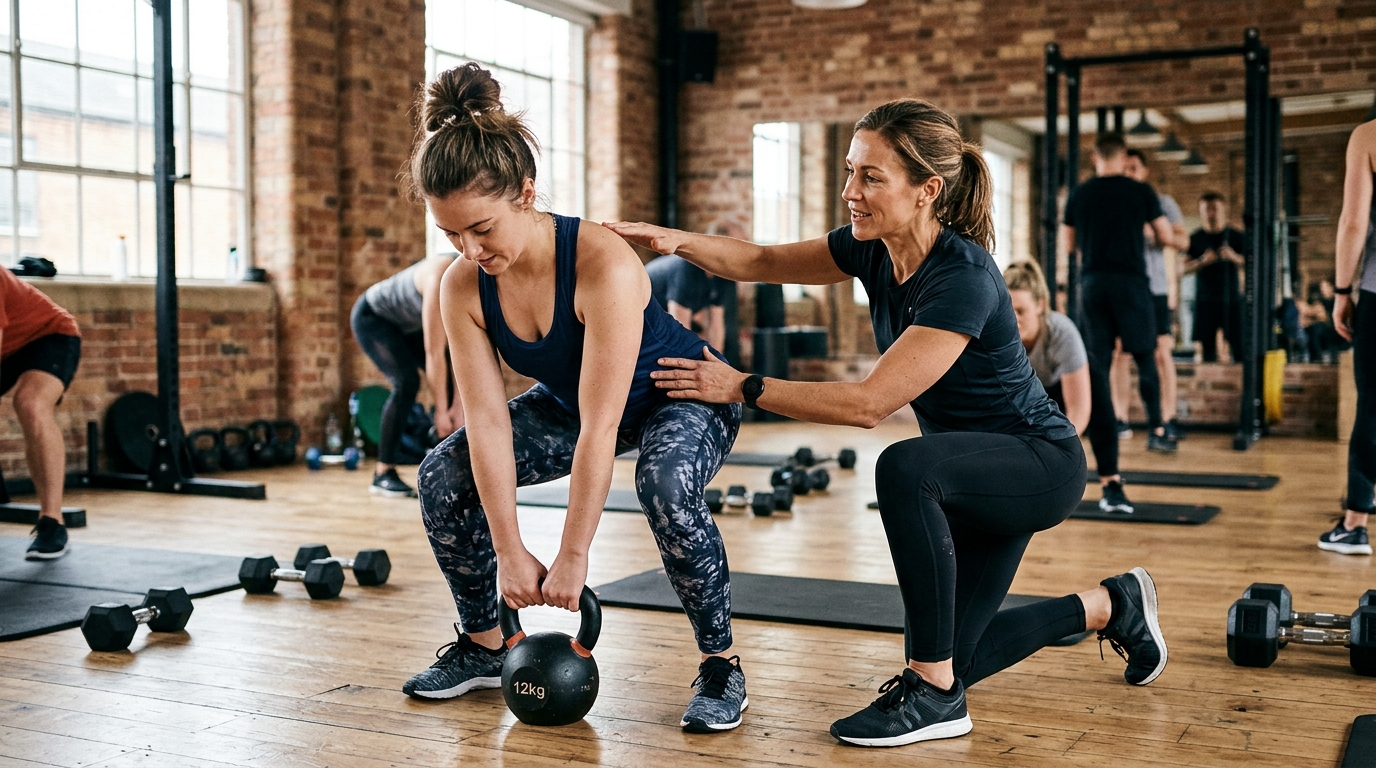
Coaches who invest in CPD possess a deeper toolbox of regressions, progressions, and periodisation strategies. When a client encounters shoulder fatigue or a motivational dip, an educated trainer knows exactly how to adapt the plan without losing momentum.
3. Developing Profitable Niches
Generalist personal trainers compete with every other trainer on price and schedule. Specialist coaches who have pursued advanced education in Strength & Conditioning, youth athletic development, or older adult functional mobility can target specific communities who value deep expertise.
4. Critical Evaluation of New Fitness Trends
Social media frequently amplifies fitness gimmicks, dubious supplements, and extreme workout routines. A fitness professional grounded in exercise science and research literacy can critically evaluate viral claims, protect clients from wasted money, and explain the physiology calmly and authoritatively.
5. Building Long-Term Career Resilience
Continuing education opens pathways beyond standard floor sessions, including fitness education tutoring, corporate wellness consulting, athletic team preparation, and online mentoring.
Marcus Vance
(Editorial Lead)Head of Fitness Education & Curriculum Lead
Experienced fitness educator with over 14 years in vocational exercise training, biomechanics instruction, and professional mentor development across the UK.
Frequently Asked Questions on This Topic
How often should fitness professionals complete CPD courses?
Most professional registers and standards recommend completing recognized CPD modules annually to keep knowledge current and insurance valid.
What CPD courses should a new personal trainer prioritise?
We recommend starting with Advanced Biomechanics & Movement Analysis, Strength & Conditioning Foundations, or Applied Nutrition.
Academic & Professional Sources
- Lifelong Learning and Career Longevity in Sports and Fitness — European Journal of Sport Science (2023)
- Professional Development and Client Retention in Personal Training — International Journal of Sports Science & Coaching (2024)
Continuing Professional Development (CPD)
Develop practical coaching mastery with our structured curriculum in professional development.